Outdoor Sockets: Getting the Positioning Right First Time
Powering Your Garden Takes Planning!
As we head towards spring and summer, lots of people start thinking about getting the garden ready again. The shed gets cleared out, the patio gets a tidy up, and we start spending more evenings outside.
Outdoor sockets are one of those upgrades that many homeowners wish they had installed sooner. Once they’re in place, everyday jobs become much easier and you’re not constantly running extension leads through windows or doors.
However, where outdoor sockets are positioned makes a big difference to how useful they actually are. A little bit of planning before installation can save a lot of frustration later.
Think About Where You Actually Use Power Outdoors:
Start by thinking about the equipment you regularly use in the garden or around the outside of your home.



Common examples include:
- Lawn mowers and strimmers
- Hedge trimmers
- Pressure washers
- Patio heaters
- BBQ rotisserie motors
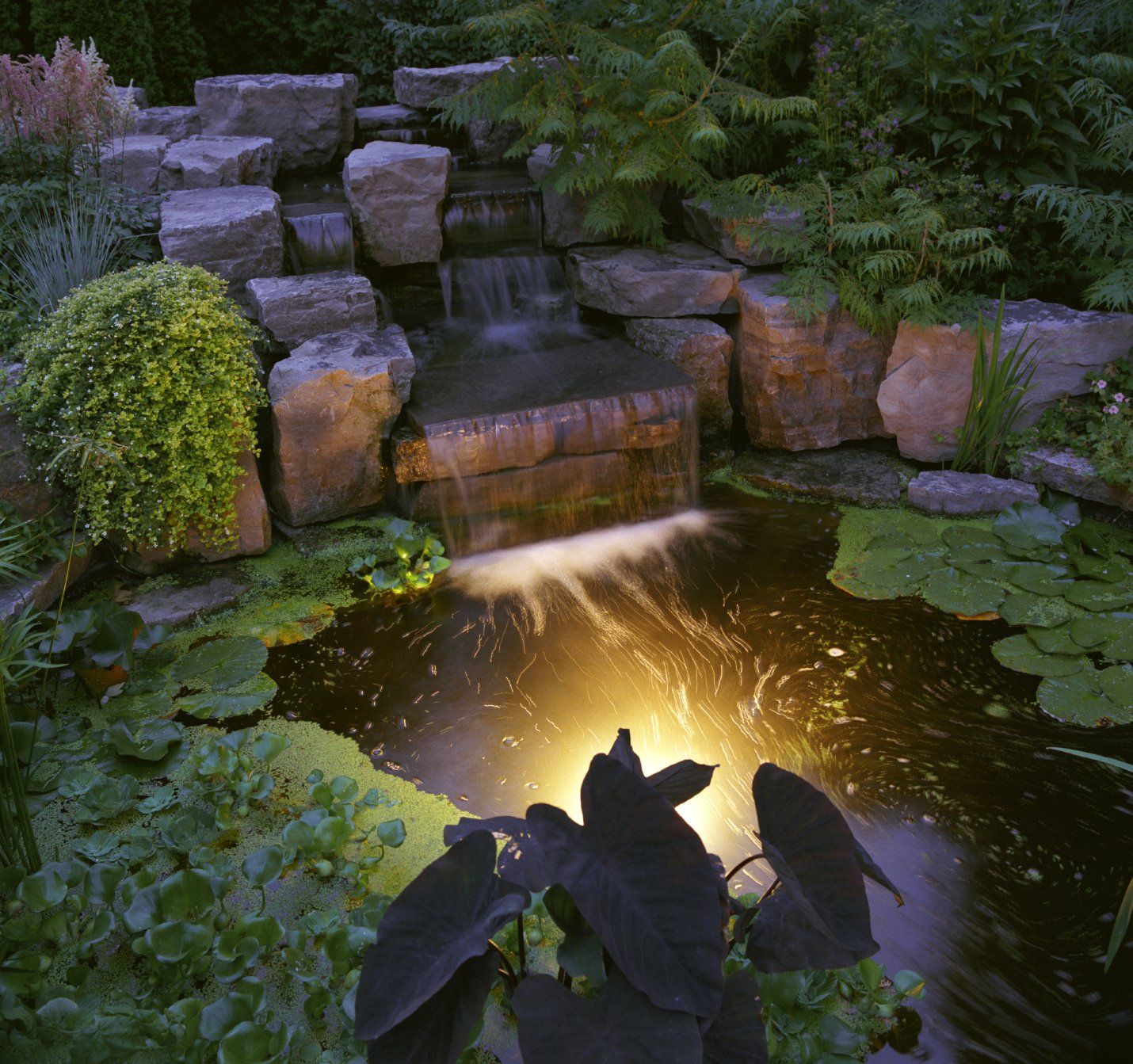
- Pond pumps and water features
- Outdoor speakers
- Pergola or gazebo lighting
- Tools in the shed or workshop
If your only socket is by the back door, you may still end up relying on extension leads to reach the areas where you actually need power.
One Socket Might Not Be Enough
Many homes install a single outdoor socket near the back door, which is useful, but often not enough. Depending on your garden layout, it may be worth considering multiple outdoor power points, such as:
- A socket near the patio or seating area
- Power in or near the shed or workshop
- A socket near the front drive or garage for car cleaning or tools
- Power near ponds, water features, or garden lighting
Planning this at the start can make outdoor power much more practical.
Consider Wet Weather and Everyday Practicality
Outdoor electrics need to work in real conditions, not just on a sunny day. When deciding on positioning, it’s worth thinking about:
- Rain exposure
- Muddy routes across the garden
- Trip hazards from cables
- Cables running across walkways
Good positioning helps keep extension leads to a minimum and avoids trailing cables across paths, lawns or through doorways.
Think About Future Plans for Your Garden
Gardens often evolve over time. You might not need certain features today, but they may be part of your plans later.
Future outdoor electrical needs could include:
- Hot tubs
- Garden rooms or outdoor offices
- Decking or garden lighting
- Outdoor heating
- Security lighting or cameras
- Electric gates
- EV charging points
Thinking ahead now can prevent expensive alterations or additional wiring work later.
Safety and the Right Equipment
Outdoor electrics must always be installed correctly using equipment designed for external use. A properly installed outdoor socket will typically include:
- Weatherproof fittings
- Correct electrical protection
- Safe cable routing
- Compliance with UK electrical regulations
When done properly, outdoor electrics are safe, neat, and built to last, even in typical UK weather.
Not Sure Where Outdoor Sockets Should Go?
If you're unsure about the best positioning, it’s often worth getting advice before installation. A quick conversation about how you use your garden can help avoid common problems like sockets being installed in awkward places or needing extension leads every time you step outside.
Planning Outdoor Power Properly
Outdoor sockets are a simple upgrade that can make a big difference to how practical your garden space is.
If you’re thinking about installing
outdoor sockets, garden lighting, or other outdoor electrics, getting the layout right from the start will ensure it works properly for years to come.
If you’d like advice or a quote, get in touch and we’ll be happy to help you plan it properly.
Recent News: